
Absolutely! Here’s a detailed, unique article about the Envelope-Method Roast with a step-by-step guide:
The Envelope-Method Roast: Juicy, Flavorful, and Effortless
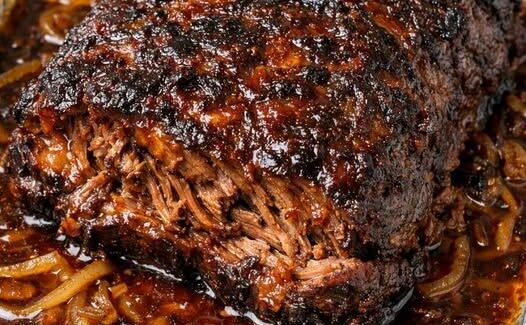
The Envelope-Method Roast is a game-changer for anyone who wants a succulent, tender roast without constant monitoring. This technique locks in juices, aromas, and seasoning in a paper “envelope” that essentially steams and roasts the meat simultaneously. The result is a roast that’s deeply flavorful, melt-in-your-mouth tender, and perfect for family dinners or special occasions.
Here’s a complete guide on how to make it.
Ingredients
To make an envelope-method roast, you’ll need the following:
- Beef roast (chuck, ribeye, or round; 2–3 lbs)
- Olive oil – 2 tbsp
- Salt – 1–2 tsp, to taste
- Black pepper – 1 tsp
- Garlic – 3 cloves, minced
- Onion powder – 1 tsp
- Fresh herbs (rosemary, thyme, or sage) – 1–2 sprigs each
- Vegetables (optional, carrots, potatoes, and onions work well) – cut into chunks
- Brown sugar or honey – 1 tsp (optional for caramelization)
- Parchment paper or foil – enough to wrap the roast completely
Step-by-Step Method
Step 1: Preheat the Oven
Preheat your oven to 350°F (175°C). This moderate temperature ensures the roast cooks evenly inside the envelope, preventing the exterior from burning while the interior remains tender.
Step 2: Prepare the Roast
- Pat your beef roast dry with paper towels.
- Rub olive oil all over the roast.
- Season generously with salt, pepper, garlic, onion powder, and brown sugar or honey if using.
- Place fresh herbs on top and around the roast for aromatic infusion.
Step 3: Create the Envelope
- Take a large piece of parchment paper (or foil) and place the roast in the center.
- Surround the roast with your chosen vegetables.
- Fold the paper over the roast, tucking the edges underneath to create a sealed “envelope.” This traps steam and juices during cooking.
- Make sure it’s sealed well, but leave a small fold on top to allow minimal air circulation for even cooking.
Tip: Parchment paper works best for a slightly crisp crust, while foil retains more moisture for a softer finish.
Please Head On keep on Reading (>)





No Responses Yet