
Butterscotch Shortbread Cookies: A Rich, Buttery Treat with a Caramel Twist
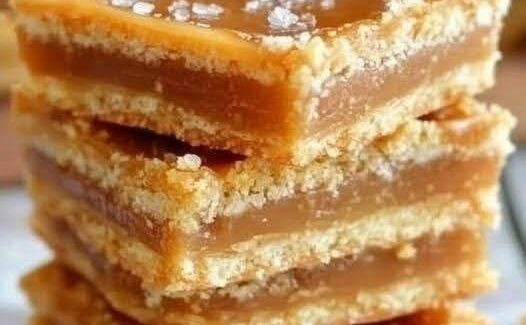
Butterscotch Shortbread Cookies are a delightful variation of the classic Scottish shortbread, combining the traditional melt-in-your-mouth texture of buttery shortbread with the deep caramel sweetness of butterscotch. These cookies are known for their delicate crumb, rich flavor, and irresistible combination of butter, brown sugar, and vanilla. Small pieces of butterscotch chips add bursts of caramel flavor in every bite, making them perfect for holidays, afternoon tea, cookie exchanges, or simply enjoying with a warm drink.
Unlike many soft cookies, shortbread is famous for its simple ingredient list and tender texture. The secret lies in using plenty of butter, mixing the dough gently, and baking the cookies at the right temperature to preserve their delicate structure.
What Makes Butterscotch Shortbread Cookies Special?
Traditional shortbread usually contains butter, sugar, and flour. This simple combination creates a cookie with a rich buttery taste and a crumbly texture. In this version, brown sugar replaces some or all of the regular sugar, giving the cookies a warm molasses flavor that pairs beautifully with butterscotch.
The addition of butterscotch chips enhances the caramel notes while adding a slightly chewy texture against the crisp shortbread base.
Ingredients
For the Cookies:
- 1 cup (226 g) unsalted butter, softened at room temperature
- ¾ cup brown sugar, packed
- 1 teaspoon pure vanilla extract
- 2 cups (250 g) all-purpose flour
- ½ cup (60 g) cornstarch
- ¼ teaspoon salt
- ¾ cup butterscotch chips
Optional Decoration:
- Extra butterscotch chips for topping
- A light sprinkle of sea salt
- Melted butterscotch or caramel drizzle
Step-by-Step Method to Make Butterscotch Shortbread Cookies
Step 1: Prepare the Baking Area
Before making the dough, prepare your baking setup.
- Preheat the oven to 325°F (160°C).
- Line two baking trays with parchment paper.
- Allow the butter to soften naturally at room temperature. Soft butter blends better with sugar and creates a smoother dough.
Avoid melting the butter because melted butter will change the cookie texture and make the shortbread spread too much while baking.
Step 2: Cream the Butter and Brown Sugar
Place the softened butter and brown sugar in a large mixing bowl.
Using an electric mixer, beat them together for about 2–3 minutes until the mixture becomes smooth and creamy.
This step is important because it:
- Creates a lighter cookie texture
- Helps the sugar dissolve into the butter
- Builds the rich buttery flavor of the shortbread
Add the vanilla extract and mix again until combined.
Step 3: Combine the Dry Ingredients
In a separate bowl, whisk together:
- All-purpose flour
- Cornstarch
- Salt
Cornstarch is the secret ingredient that gives these cookies their classic shortbread texture. It reduces gluten development, making the cookies softer and more delicate.
Slowly add the dry mixture to the butter mixture.
Step 4: Make the Shortbread Dough
Mix the ingredients on low speed until the dough begins to come together.
The dough should look slightly crumbly at first, but after mixing it will form a soft, manageable dough.
Be careful not to overmix.
Overworking the dough can develop too much gluten, resulting in cookies that are tough instead of tender.
Please Head On keep on Reading (>)



No Responses Yet