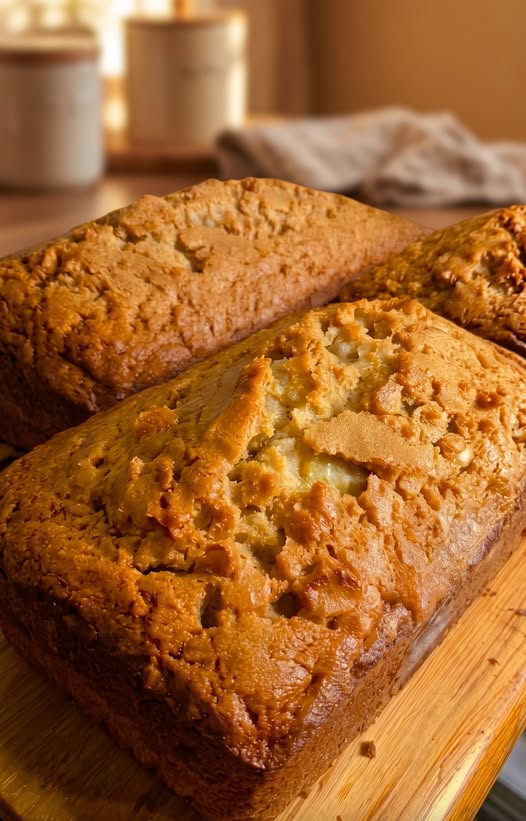
Step 4: Mix the Dry Ingredients
In a separate medium-sized bowl, combine the all-purpose flour, baking soda, salt, and ground cinnamon.
Whisk the dry ingredients together for a few seconds. This helps distribute the baking soda and cinnamon evenly throughout the flour, preventing concentrated pockets in the finished bread.
Step 5: Bring the Batter Together
Gradually add the dry ingredients to the bowl containing the banana mixture.
Using a wooden spoon or spatula, gently fold everything together until no large streaks of dry flour remain.
Be careful not to overmix the batter. Stirring too much can develop the gluten in the flour, resulting in a dense or tough loaf rather than the soft, tender texture you’re looking for.
If you’re adding chocolate chips or chopped nuts, gently fold them into the batter at this stage.
Step 6: Transfer the Batter to the Pan
Pour the finished banana bread batter into your prepared loaf pan.
Use a spatula to spread it evenly, making sure the corners are filled.
For a bakery-style appearance, you can sprinkle a few chocolate chips, chopped walnuts, or a little brown sugar over the top before baking.
The batter should fill the pan without reaching the very top, leaving enough room for the bread to rise as it bakes.
Step 7: Bake Until Golden and Delicious
Place the loaf pan on the center rack of your preheated oven.
Bake for approximately 50–60 minutes, depending on your oven.
As the banana bread bakes, the kitchen will gradually fill with a sweet aroma of ripe bananas, butter, and cinnamon.
To check whether it is ready, insert a toothpick into the center of the loaf. If it comes out clean or with a few moist crumbs, the bread is done.
If the top begins browning too quickly while the center is still undercooked, loosely cover the loaf with aluminum foil for the remaining baking time.
Step 8: Cool Before Slicing
Once baked, remove the pan from the oven and let the banana bread rest inside the pan for approximately 10–15 minutes.
Carefully lift it out using the parchment paper overhang and transfer it to a wire cooling rack.
Allow the loaf to cool before slicing. This gives the inside time to set properly and helps prevent the slices from becoming crumbly.
Once cooled, cut into thick slices and enjoy!
Helpful Tips for the Best Homemade Banana Bread
A few simple baking tricks can make a noticeable difference in the final result.
1. Use very ripe bananas.
The more brown spots your bananas have, the better. Overripe bananas provide a sweeter flavor and more moisture than freshly yellow bananas.
2. Don’t overmix the batter.
Once the flour is incorporated, stop mixing. A few small lumps are completely normal and won’t affect the final result.
3. Measure your flour correctly.
Adding too much flour can make banana bread dry and heavy. If possible, use a kitchen scale. Otherwise, spoon flour into your measuring cup and level it with a knife instead of packing it down.
4. Check the center before removing it from the oven.
Banana bread can look beautifully golden on the outside while remaining undercooked in the middle. Always use the toothpick test.
5. Let it cool before cutting.
Although warm banana bread is tempting, allowing it to cool helps maintain its structure and makes slicing much easier.
Delicious Variations to Try
One of the best things about this easy banana bread recipe is how easily you can change it depending on your taste.
-
Chocolate Chip Banana Bread: Fold 1/2 cup of chocolate chips into the batter for a sweet, chocolatey twist.
-
Walnut Banana Bread: Add chopped walnuts for a crunchy texture that complements the soft banana bread.
-
Pecan Banana Bread: Use chopped pecans for a buttery, slightly sweet flavor.
-
Cinnamon Swirl Banana Bread: Mix 2 tablespoons of brown sugar with 1 teaspoon of cinnamon and swirl it through the batter before baking.
-
Coconut Banana Bread: Add shredded coconut for a subtle tropical flavor.
-
Blueberry Banana Bread: Gently fold in 1/2 cup of fresh or frozen blueberries.
You can also combine chocolate chips and walnuts if you enjoy a loaf with both sweetness and crunch.
What to Serve with Banana Bread
Banana bread is delicious on its own, but pairing it with a few simple additions can make it even more enjoyable.
For breakfast, serve a warm slice with butter, cream cheese, or a little honey. If you prefer something sweeter, spread peanut butter or almond butter over the top.
A slice also pairs beautifully with a hot cup of coffee, tea, or a glass of cold milk.
For dessert, try warming a slice slightly and serving it with a scoop of vanilla ice cream. A drizzle of caramel sauce or a sprinkle of chopped pecans makes it feel like a special homemade dessert.
How to Store Banana Bread
Proper storage helps keep banana bread moist and flavorful for several days.
At room temperature: Allow the loaf to cool completely, then wrap it tightly in plastic wrap or place it in an airtight container. Store it in a cool, dry place for up to 3 days.
In the refrigerator: If you want to keep it a little longer, store the banana bread in an airtight container in the refrigerator for up to 1 week. Keep in mind that refrigeration may make the texture slightly firmer.
In the freezer: Banana bread freezes beautifully. You can freeze the entire loaf or cut it into individual slices. Wrap each portion tightly in plastic wrap, then place it inside a freezer-safe bag or container. Freeze for up to 3 months for the best quality.
To enjoy frozen slices, allow them to thaw at room temperature or warm them in the microwave for approximately 15–30 seconds.
Frequently Asked Questions
1. Can I make banana bread without a mixer?
Absolutely! This recipe is designed to be mixed by hand. A fork, whisk, and wooden spoon are all you need.
2. What if my bananas aren’t ripe enough?
Very ripe bananas are best because they provide more sweetness and moisture. If your bananas are still yellow, you can bake them unpeeled on a baking sheet at 300°F (150°C) for approximately 15–20 minutes, until their skins turn dark. Allow them to cool before using.
3. Why did my banana bread turn out dry?
Dry banana bread is often caused by adding too much flour, overmixing the batter, or baking it for too long. Measure your ingredients carefully and begin checking for doneness around the 50-minute mark.
4. Can I reduce the sugar?
Yes! You can reduce the sugar to 1/2 cup if you prefer a less sweet loaf, especially when using very ripe bananas.
5. Can I use frozen bananas?
Yes. Thaw the bananas completely before using them. Drain off any excessive liquid if necessary, then mash the bananas and add them to the batter.
6. How do I know when banana bread is fully baked?
Insert a toothpick into the center. It should come out clean or with a few moist crumbs. If you see wet batter, continue baking and check again after 5 minutes.
7. Can I make this recipe into muffins?
Yes! Divide the batter between lined muffin cups, filling each approximately two-thirds full. Bake at 350°F (175°C) for about 18–23 minutes, checking with a toothpick.
Final Thoughts
This Easy Banana Bread recipe is proof that delicious homemade baking doesn’t need to be complicated. With a handful of everyday ingredients and a few simple steps, you can create a soft, moist, and flavorful loaf that everyone will enjoy.
Whether you’re using up overripe bananas sitting on your kitchen counter, preparing a quick breakfast for the family, or looking for a comforting homemade dessert, this recipe is always a wonderful choice.
Serve it fresh from the oven, enjoy it with your favorite cup of coffee, or save a few slices for later. Once you try this simple homemade banana bread, it may quickly become one of your favorite recipes to bake again and again!







No Responses Yet