Which Way Should a Fence Face? A Practical Guide to Getting It Right
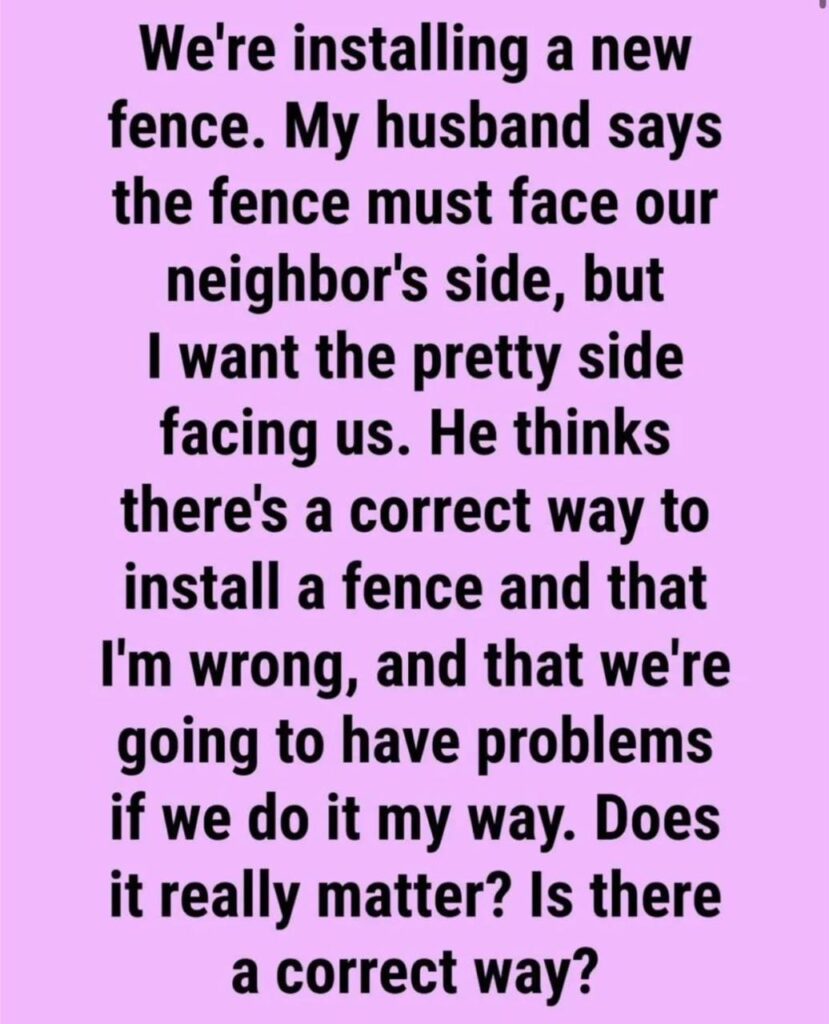
When people install a fence, they often focus on height, material, and cost—but overlook a surprisingly important detail: which way the fence should face. This decision affects curb appeal, privacy, durability, and even neighbor relations.
There isn’t one universal rule, but there is a widely accepted standard and a clear method for deciding the correct orientation.
Understanding Fence “Facing”
A typical privacy fence has two sides:
- “Good” side (finished side): smooth, attractive, no visible posts or rails
- “Back” side (structural side): shows posts, rails, and fasteners
The “facing direction” simply refers to which side of the fence is visible from outside the property or from a designated viewpoint (usually the street or neighbors).
The General Rule (Most Common Standard)
In most U.S. neighborhoods, the standard expectation is:
The finished (“good”) side of the fence should face outward toward neighbors or the street.
This is done for three main reasons:
- Improves neighborhood appearance
- Makes the property look more polished from the outside
- Keeps structural elements (posts and rails) on the inside of the yard
However, this is not a universal law—local codes, HOA rules, and property boundaries may override it.
Step-by-Step Method to Decide Fence Direction
Step 1: Check Local Building Codes and HOA Rules
Before doing anything physical:
- Contact your local building department
- Review HOA guidelines (if applicable)
- Look for rules about:
- Fence height
- Finished side orientation
- Property line placement
Some cities explicitly require the finished side to face outward.
Step 2: Identify Property Lines Accurately
This step is critical. Mistakes here cause most fence disputes.
- Review your property survey
- Locate boundary markers (metal stakes or recorded pins)
- If unsure, hire a surveyor
Once you know the exact boundary, you can determine:
- Where the fence sits (on line, inside, or shared responsibility)
- Who the fence legally “belongs” to
Step 3: Decide the “Public-Facing” Direction
Ask this simple question:
Where will most people see this fence from?
Common answers:
- The street (front yard fence)
- Neighboring yards (side/back fences)
- Driveways or shared access paths
This is usually the direction where the “good side” should face.
Step 4: Consider Neighbor Relations
If the fence is on a shared boundary:
- Talk with your neighbor before installing
- Agree on:
- Which side faces who
- Cost-sharing arrangements
- Maintenance responsibilities
A simple agreement upfront prevents future conflict.
Please Head On keep on Reading (>)









No Responses Yet