Step 5: Evaluate Practical Constraints
Sometimes design or terrain affects orientation:
- Slope or uneven ground: You may need posts on the lower side for stability
- Wind exposure: Structural side may be better facing prevailing wind for strength
- Security concerns: In rare cases, homeowners prefer structural side outward to discourage climbing
While less common, these factors can override aesthetics.
Step 6: Plan Gate and Entry Visibility
Fence direction should coordinate with gate placement:
- Gate should be easy to open inward (usually into your property)
- Finished side should align with entry view for curb appeal
- Hardware should not obstruct walkway or driveway access
Step 7: Mark the Fence Line Before Building
Before installing:
- Use string lines and stakes
- Walk the boundary visually
- Confirm orientation of each fence run
This step helps you avoid flipping orientation halfway through installation.
Step 8: Install Posts Correctly First
Fence orientation is determined by posts.
- Set posts on your side of the fence line (if required by code or agreement)
- Ensure they are aligned consistently
- Confirm “good side” direction before attaching rails or panels
Once panels are installed, reversing direction becomes expensive and difficult.
Step 9: Attach Panels or Rails on the Correct Side
Depending on fence type:
- Prefabricated panels: Choose correct orientation before setting panels
- Board-on-board fences: Alternate boards to maintain uniform appearance
- Shadowbox fences: Usually look good on both sides but still have a “primary” face
Double-check each section as you go.
Step 10: Final Walkthrough and Adjustment
After installation:
- Walk both sides of the fence
- Check visual alignment from street and neighboring properties
- Confirm no exposed fasteners or uneven sections are facing outward unintentionally
Small corrections now prevent long-term dissatisfaction.
Key Design Principle to Remember
A simple way to think about it:
The side that represents your property to the outside world should be the most visually appealing one.
Even though the fence belongs to you, it also contributes to the overall look of the neighborhood.
Common Mistakes to Avoid
- Installing fence without checking local rules
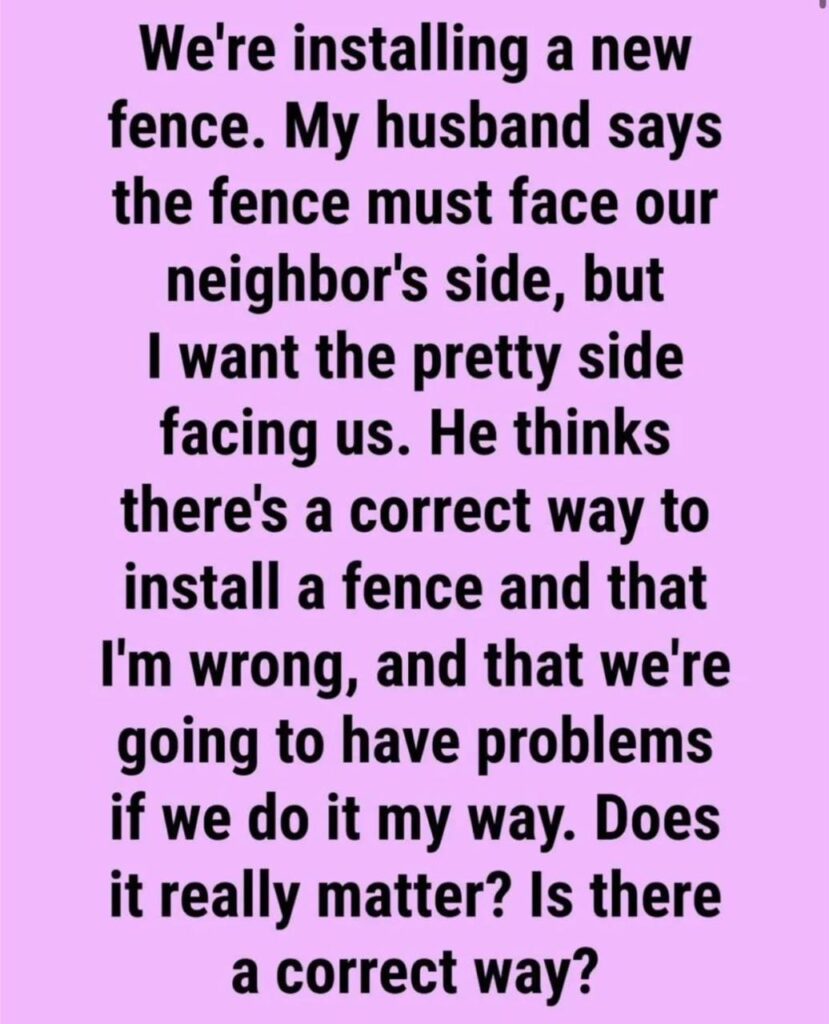
- Assuming the “good side” can face inward by default
- Ignoring neighbor input on shared boundaries
- Forgetting slope or wind direction considerations
- Setting posts before deciding orientation
Final Thoughts
Choosing which way a fence should face is not just an aesthetic choice—it’s a combination of legal requirements, neighbor etiquette, and practical design. The safest default is to face the finished side outward, but the correct decision always depends on your property situation and local rules.
If planned carefully from the beginning, fence orientation becomes a simple decision that improves both your home’s appearance and long-term satisfaction.








No Responses Yet