
Step 5: Roast in the Oven
- Place the tray with the envelope in the preheated oven.
- Roast low and slow:
- Beef or pork: 3–4 hours depending on size
- Whole chicken: 2–2.5 hours
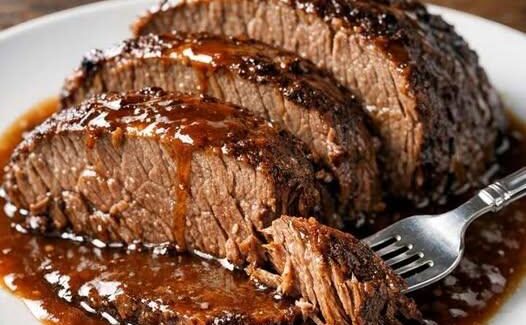
- The meat is done when it’s fork-tender and easily pulls apart.
Step 6: Rest and Serve
- Carefully open the envelope (beware of hot steam!).
- Transfer the roast to a cutting board and let it rest for 10–15 minutes. This allows juices to redistribute.
- Slice or shred the meat and serve with roasted vegetables and pan juices.
Tips for the Perfect Envelope Roast
- Add depth of flavor: Toss in a splash of soy sauce, balsamic vinegar, or Dijon mustard before sealing the envelope.
- Make a gravy: Pour the juices into a small saucepan, add a bit of flour or cornstarch, and simmer until thickened.
- Vegetable variations: Sweet potatoes, parsnips, or mushrooms work beautifully in the envelope.
- Leftovers: Shredded leftover roast is perfect for sandwiches, tacos, or hearty soups.
Why It Works
The Envelope Method traps steam and juices inside a sealed packet, effectively slow-cooking the meat while infusing it with the flavor of vegetables, herbs, and liquids. Unlike traditional roasting, this method minimizes drying, prevents overcooking, and ensures every bite is tender and flavorful.
Whether for a Sunday family dinner or a special occasion, the Envelope-Method Roast is a foolproof way to impress without hours of fuss. Once you try it, you’ll wonder why you ever roasted meat any other way.
If you want, I can also create a quick “oven-timer chart” for different meats using the envelope method so you never have to guess cooking times again. Do you want me to make that?




No Responses Yet