
Step 5: Heat the Oil
Pour vegetable oil into a heavy-bottomed saucepan or deep skillet, leaving plenty of space at the top.
Heat the oil to approximately 350°F (175°C).
A kitchen thermometer is the easiest way to monitor the temperature.
The oil is important: if it is too cool, the fritters can absorb excess oil. If it is too hot, the outside may brown before the center has cooked properly.
Step 6: Shape the Fritters
Using two small spoons or a small cookie scoop, portion the dough into compact pieces.
Try to keep the fritters relatively similar in size so they cook evenly.
You don’t need perfectly shaped balls. Their slightly irregular appearance is part of their homemade charm.
Step 7: Fry Until Golden
Carefully lower a few pieces of dough into the hot oil, making sure not to overcrowd the pan.
Fry for approximately 2–4 minutes per side, depending on their size.
Turn them occasionally so that they develop an even golden-brown exterior.
When cooked, the fritters should have a crisp outside and a tender, fully cooked center.
Step 8: Drain the Fritters
Using a slotted spoon, transfer the finished fritters to a plate lined with paper towels or, even better, a wire rack placed over a baking sheet.
Allow excess oil to drain.
Let them cool for several minutes before glazing. They should still be warm, but not extremely hot.
Step 9: Make the Coconut Glaze
While the fritters are cooling, prepare the glaze.
Add the powdered sugar to a bowl and gradually whisk in the milk.
Add the vanilla extract and coconut extract if using.
Mix until smooth.
The glaze should be thick enough to coat the fritters but fluid enough to drizzle.
For a thicker glaze
Add a little more powdered sugar.
For a thinner glaze
Add milk a few drops at a time.
Don’t add too much liquid at once because powdered sugar can quickly become thinner than expected.
Step 10: Glaze the Fritters
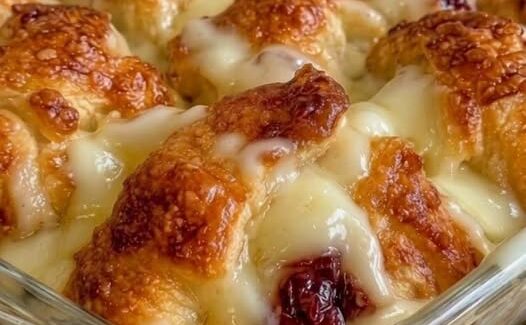
Dip the slightly warm fritters into the glaze, turning them gently so the tops are coated.
Lift them out and allow the excess glaze to drip back into the bowl.
Place the glazed fritters on a wire rack and allow the glaze to set for several minutes.
For a more decadent finish, drizzle a second thin layer of glaze over the top once the first layer has partially set.
Step 11: Add the Finishing Touch
While the glaze is still wet, sprinkle the fritters with toasted coconut.
For a brighter flavor, add a tiny amount of finely grated lime zest.
The combination of coconut, vanilla, and citrus gives the fritters a fresh tropical character without overpowering their sweetness.
Tips for Perfect Coconut Fritters
Don’t overmix the dough
Overmixing can make the fritters dense and tough. Stir just until the ingredients come together.
Keep the fritters small
Large pieces can brown quickly on the outside while remaining undercooked inside. Smaller portions cook more evenly.
Monitor the oil temperature
Maintaining roughly 350°F (175°C) gives you the best balance between a crisp exterior and tender interior.
Don’t overcrowd the pan
Adding too many fritters at once can lower the oil temperature dramatically. Fry them in small batches instead.
Let the glaze cool slightly
If the fritters are extremely hot, the glaze can become excessively thin and slide right off. A few minutes of cooling makes the coating much easier to control.
Delicious Variations
Lime Coconut Fritters
Add 1–2 teaspoons of finely grated lime zest to the dough and a little lime juice to the glaze. The citrus cuts through the sweetness beautifully.
Chocolate Coconut Fritters
Add a small handful of mini chocolate chips to the dough. Finish the fritters with a simple vanilla glaze and toasted coconut.
Pineapple Coconut Fritters
For a tropical variation, add finely chopped, well-drained pineapple. Be careful not to add too much moisture, as it can make the dough difficult to handle.
Cinnamon Coconut Fritters
Increase the cinnamon slightly and add a pinch of nutmeg to the dough. Instead of the vanilla glaze, you can finish the warm fritters with cinnamon sugar.
Toasted Coconut Glaze
Toast the coconut before adding it to the dough and sprinkle additional toasted coconut over the glaze. This gives the fritters a more pronounced roasted-coconut flavor.
How to Serve Glazed Coconut Fritters
These fritters are best served fresh and slightly warm, when the outside is crisp and the glaze is still delicate.
They make a lovely breakfast alongside fresh fruit, but they’re equally good with an afternoon cup of tea or as a simple dessert.
For a special presentation, arrange them on a serving platter and scatter toasted coconut and a little lime zest over the top.
How to Store Them
Glazed Coconut Fritters are at their best on the day they are made.
If you have leftovers, store them in an airtight container at room temperature for up to 2 days. The glaze may soften the exterior as they sit.
For better texture, warm them briefly before serving. If possible, store some of the glaze separately and glaze the fritters shortly before eating.
Final Thoughts
Glazed Coconut Fritters are proof that a simple dough can become something remarkably special with just a few thoughtful additions. The shredded coconut brings texture and tropical flavor, while the golden fried exterior provides a satisfying contrast to the soft center. The sweet vanilla-coconut glaze ties everything together and gives each fritter a beautiful finish.
For the best results, focus on three things: a soft but manageable dough, properly heated oil, and a glaze with the right consistency. Once those details are right, you’ll have golden coconut fritters that are crisp on the outside, tender inside, and wonderfully fragrant.



No Responses Yet