
Step 3: Brown the Ground Beef
Heat a large skillet or wok over medium-high heat.
Add the ground beef and cook for approximately 5–7 minutes, breaking it apart with a wooden spoon or spatula as it cooks.
The beef should become deeply browned rather than simply steamed. Allowing it to sit undisturbed for short periods between stirring helps develop flavorful browned bits.
If there is excessive rendered fat in the skillet, carefully drain some of it.
Step 4: Add the Garlic and Ginger
Reduce the heat slightly and add the minced garlic and grated ginger.
Stir everything together and cook for about 30–60 seconds.
Be careful not to burn the garlic. You want it fragrant and lightly softened, not dark brown.
At this stage, the kitchen should already smell incredibly aromatic.
Step 5: Pour in the Sauce
Give the prepared sauce another quick stir, then pour it into the skillet with the beef.
Stir thoroughly, making sure the sauce coats all of the meat.
Bring the mixture to a gentle simmer.
Cook for approximately 2–4 minutes. As it simmers, the brown sugar helps the sauce become glossy and slightly thicker.
The sauce doesn’t need to become extremely thick at this point because the noodles will absorb some of the liquid.
Step 6: Add the Cooked Noodles
Add the drained noodles directly to the skillet.
Using tongs or two large spoons, toss the noodles with the beef and sauce until everything is evenly coated.
If the mixture looks too thick, add a small splash of the reserved noodle water. Start with a tablespoon or two and add more only if necessary.
The starch in the noodle water helps the sauce cling to the noodles while keeping the dish silky rather than dry.
Step 7: Let Everything Come Together
Continue tossing the noodles and beef over low heat for another 1–2 minutes.
This short finishing step allows the noodles to absorb the sauce while the flavors come together.
Taste a small portion and adjust the seasoning if necessary.
If you’d like more saltiness, add a small splash of soy sauce. If the flavor seems too intense, loosen the dish with a little noodle water.
For extra heat, add another pinch of red pepper flakes.
Step 8: Garnish and Serve
Turn off the heat and sprinkle the noodles with sliced green onions and sesame seeds.
For a fresh contrast, you can also add chopped cilantro or thinly sliced chili.
Serve the noodles immediately while they are hot and glossy.
Tips for the Best Mongolian Ground Beef Noodles
Brown the Beef Properly
Don’t rush the browning process. Ground beef develops much more flavor when it gets some direct contact with the hot skillet.
Instead of constantly stirring, break the meat apart and let it cook for a minute before stirring again.
Don’t Overcook the Noodles
Noodles that are already very soft can become mushy after being tossed with the hot sauce.
Cooking them until just tender gives them enough structure to withstand the final few minutes in the skillet.
Balance the Sauce
Mongolian-inspired sauces are generally known for their sweet and savory character. However, the ideal balance is personal.
If you prefer a sweeter dish, add a little extra brown sugar. For a more savory version, reduce the sugar slightly and use additional garlic or ginger.
Rice vinegar is particularly useful because its acidity keeps the sauce from tasting overly heavy.
Use the Noodle Water
Don’t automatically throw away all of your noodle cooking water.
A small amount can transform a sauce that is too thick into a smooth coating that sticks beautifully to the noodles.
Add it gradually rather than all at once.
Easy Ways to Customize the Recipe
One of the best things about this dish is how adaptable it is.
Add Vegetables
For a more colorful and complete meal, add vegetables such as:
- Broccoli
- Bell peppers
- Carrots
- Snow peas
- Shredded cabbage
- Mushrooms
- Baby spinach
Cook firmer vegetables before adding the sauce, while delicate vegetables can be added toward the end.
Make It Spicier
For a spicy version, add crushed red pepper flakes, sliced fresh chili, or a small amount of chili sauce.
Start with a little and increase gradually.
Try Different Noodles
You don’t have to use one specific noodle. Try:
- Lo mein noodles
- Ramen-style noodles
- Udon
- Rice noodles
- Spaghetti
- Linguine
Each option gives the dish a slightly different texture.
Add More Aromatics
If you love bold flavors, increase the garlic and ginger slightly. You can also add a small amount of finely minced onion or scallion whites when browning the beef.
What to Serve With Mongolian Ground Beef Noodles
Because the noodles are already filling, they can easily be served as a complete meal on their own.
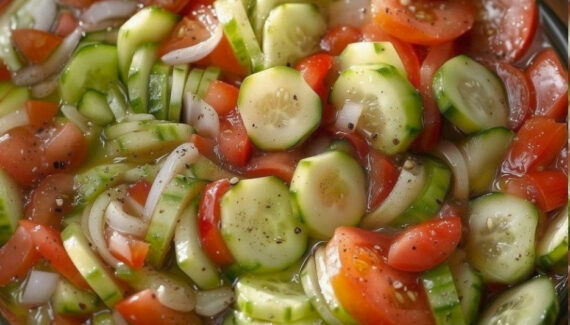
For a larger dinner, pair them with simple sides such as steamed broccoli, cucumber salad, sautéed vegetables, or spring rolls.
A fresh vegetable side is especially nice because it provides contrast to the rich, glossy sauce.
How to Store Leftovers
Allow leftover noodles to cool and transfer them to an airtight container.
Store them in the refrigerator and enjoy them within a few days.
When reheating, add a small splash of water before warming them in a skillet or microwave. The noodles tend to absorb sauce as they sit, so a little added moisture helps restore their texture.
If reheating in a skillet, use medium-low heat and toss frequently to warm everything evenly.
Final Thoughts
Mongolian Ground Beef Noodles are proof that a satisfying dinner doesn’t need a long ingredient list or complicated cooking technique. Ground beef provides a hearty base, while the combination of soy sauce, brown sugar, garlic, ginger, and sesame oil creates a sauce that is bold, glossy, and incredibly comforting.
The recipe is also flexible enough to adapt to whatever noodles or vegetables you already have in the kitchen. Whether you make it as a quick weeknight dinner or prepare a larger batch for leftovers, this dish delivers plenty of flavor with relatively little effort.
Once you make it, don’t be surprised if it becomes one of those recipes you return to whenever you’re craving something savory, sweet, and noodle-filled.






No Responses Yet