
Step 4: Let the Pork Warm Slightly Before Cooking
When you’re ready to cook, remove the pork from the refrigerator.
Allow it to sit briefly while you prepare your cooking surface, but don’t leave raw pork sitting out for an extended period.
Before cooking, scrape off any excessively thick clumps of marinade. You want a flavorful coating, but large amounts of dairy coating can brown too quickly.
Important: Never reuse marinade that has been in contact with raw pork unless it is thoroughly cooked first.
Step 5: Sear the Tenderloin
Heat a large oven-safe skillet over medium-high heat and add a small amount of olive oil.
Once the pan is hot, place the marinated pork tenderloin into the skillet.
Sear it on all sides, turning every few minutes, until the exterior develops a rich golden-brown color.
Don’t worry about cooking the pork completely during this stage. The purpose of searing is to build a flavorful crust.
Because the marinade contains dairy and Parmesan, keep an eye on the heat. If the pan becomes excessively hot, the garlic and dairy can burn.
Step 6: Finish Cooking
After searing, transfer the skillet to a preheated 375°F (190°C) oven.
Cook until the center of the tenderloin reaches 145°F (63°C) on a food thermometer.
The exact cooking time will depend on the thickness of your tenderloin, so temperature is a much better guide than time alone.
Once it reaches the appropriate internal temperature, remove it from the oven.
Step 7: Rest the Pork
Transfer the cooked tenderloin to a cutting board and loosely cover it with foil.
Let it rest for about 5–10 minutes before slicing.
This gives the juices time to redistribute throughout the meat, helping the slices stay moist rather than losing their juices immediately onto the cutting board.
Step 8: Make the Creamy Parmesan Finish
If you’d like an especially luxurious finish, you can turn the flavorful pan juices into a quick sauce.
After removing the pork, place the skillet over low heat. Add a splash of heavy cream and a little freshly grated Parmesan.
Stir gently, scraping the flavorful browned bits from the bottom of the pan.
Allow the mixture to warm until slightly thickened. Don’t boil it aggressively, as the dairy can separate.
Taste and add a little black pepper, garlic powder, or Parmesan if needed.
Slice the rested pork and spoon the creamy Parmesan sauce over the top.
What to Serve With It
This pork tenderloin works especially well with sides that can soak up the creamy sauce.
Creamy Mashed Potatoes
Soft mashed potatoes provide the perfect base for the garlic Parmesan sauce.
Roasted Vegetables
Try broccoli, carrots, asparagus, zucchini, or Brussels sprouts for a simple vegetable side.
Pasta
Toss cooked pasta with some of the creamy Parmesan sauce for an easy, comforting accompaniment.
Rice
Steamed white rice, brown rice, or a simple herb rice works beautifully with the savory pork.
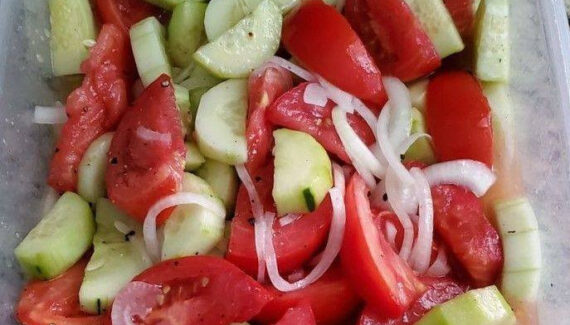
Green Salad
A crisp salad with a slightly acidic dressing provides a refreshing contrast to the richness of the pork.
Tips for the Best Creamy Garlic Parmesan Pork
Use freshly grated Parmesan. It melts more smoothly and has better flavor than many pre-shredded varieties.
Don’t skip the searing step. Browning the exterior adds another layer of flavor and makes the finished pork much more appetizing.
Watch the heat. Garlic, Parmesan, and dairy can brown quickly. Medium to medium-high heat is generally easier to control.
Use a thermometer. Pork tenderloin is lean, so cooking it far beyond its ideal temperature can make it dry.
Give it time to rest. Even a few minutes can make a noticeable difference in the texture of the sliced pork.
Don’t over-marinate. A few hours is enough for this creamy, strongly seasoned mixture to flavor the pork.
A Simple Flavor Variation
For a slightly brighter version, add a little extra lemon zest to the marinade.
For a more herb-forward version, use fresh rosemary and thyme alongside the Italian seasoning.
If you enjoy a little heat, a small pinch of red pepper flakes can give the creamy garlic Parmesan mixture a gentle kick.
You can also add sautéed mushrooms to the finished sauce for an earthy variation.
Final Thoughts
Creamy Garlic Parmesan Pork Tenderloin is a great example of how a few familiar ingredients can turn a lean cut of pork into a rich and satisfying meal. The key is layering the flavors: allow the garlic, Parmesan, herbs, mustard, and cream to season the tenderloin, then sear it for a flavorful exterior and finish cooking it gently.
Serve the sliced pork with mashed potatoes, roasted vegetables, pasta, or rice, and spoon the creamy Parmesan sauce over everything. It’s an easy dinner that feels considerably more special than the amount of effort required to make it.







No Responses Yet