
Step 6: Form the Pancakes
Using a spoon, scoop a portion of the potato mixture into the hot pan.
Place several spoonfuls into the pan, leaving enough space between them so they do not touch.
Use the back of the spoon to gently flatten each mound into a thin pancake.
Keep the pancakes relatively thin. Thin pancakes cook more evenly and develop significantly crispier edges.
Step 7: Fry Until Golden
Cook the pancakes for approximately 3–4 minutes on the first side, depending on their thickness and your pan’s heat.
Do not move them around too much while they cook. Let the bottom develop a firm golden crust before attempting to flip them.
When the edges look browned and crisp and the underside releases easily from the pan, carefully turn each pancake over.
Cook the second side for another 2–3 minutes, or until beautifully golden and cooked through.
Step 8: Drain the Pancakes
Transfer the finished pancakes to a plate lined with paper towels or, even better, place them on a wire rack set over a baking sheet.
The wire rack allows air to circulate underneath, helping the bottoms stay crisp instead of becoming soggy.
Repeat with the remaining potato mixture, adding a little more oil to the pan when necessary.
The Secret to Extra-Crispy Potato Pancakes
If crunchiness is your main goal, a few small techniques can make a big difference.
Squeeze the potatoes thoroughly
This is arguably the most important trick. Potatoes contain a surprising amount of water, and excess moisture is the enemy of crispness.
Don’t overcrowd the pan
Too many pancakes at once lower the temperature of the pan. This can cause the potatoes to absorb more oil and cook unevenly.
Work in batches when necessary.
Flatten them properly
A thick potato pancake may be soft in the center before the outside becomes sufficiently browned. Keeping the pancakes relatively thin gives you a better ratio of crispy surface to tender interior.
Use enough oil
You don’t need to deep-fry the pancakes, but there should be enough oil to coat the cooking surface generously.
Insufficient oil can lead to uneven browning and sticking.
Keep the cooked pancakes uncovered
If you stack hot pancakes immediately, trapped steam can soften their crispy surfaces. Arrange them in a single layer whenever possible.
How to Serve Crispy Potato Pancakes
These pancakes are delicious straight from the pan, but the right topping can make them even better.
For a classic combination, serve them with sour cream and a sprinkle of fresh herbs.
You can also serve them with:
- Applesauce for a sweet-and-savory contrast
- Greek yogurt
- A dollop of herbed cream cheese
- Chopped green onions
- A fried egg
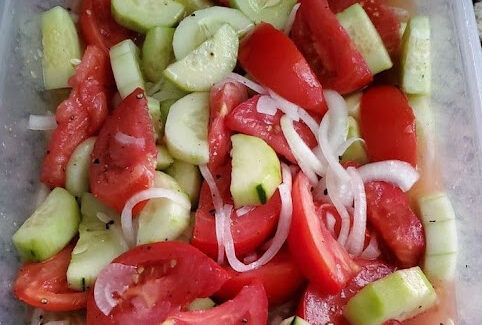
- A fresh tomato salad
- Roasted vegetables
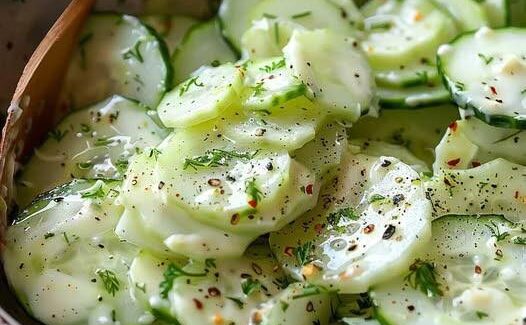
- A simple cucumber salad
For breakfast or brunch, place a crispy potato pancake on a plate and top it with a poached or fried egg and fresh herbs.
For dinner, serve them alongside roasted chicken, grilled vegetables, or a fresh salad.
Common Mistakes to Avoid
Not removing enough water
This is the most common reason potato pancakes fail to become crispy. Take your time squeezing the grated potatoes.
Making the pancakes too thick
Thick pancakes can remain soft in the middle while the exterior becomes overly browned. Spread the mixture into a relatively thin layer.
Starting with a cold pan
The pancakes need immediate contact with hot oil to begin forming their crust. Always preheat the skillet.
Turning them too early
If you flip the pancakes before the first side has developed a firm crust, they may break apart. Wait until the edges are visibly golden and the pancake releases easily.
Using excessive flour
Flour helps bind the ingredients, but too much can make the pancakes heavy and cakey. Use just enough to bring the mixture together.
Can You Make the Mixture Ahead of Time?
For the best texture, it is preferable to grate, drain, mix, and cook the potatoes relatively soon afterward.
If you prepare the mixture too far in advance, the potatoes can release additional moisture and become discolored. If you need to prepare components ahead of time, you can grate and thoroughly squeeze the potatoes, then keep them refrigerated until you’re ready to mix and cook.
How to Store Leftovers
Allow leftover pancakes to cool before placing them in an airtight container. Refrigerate them for up to a few days.
For the best texture, reheat them in a skillet, oven, or air fryer rather than a microwave. The goal is to heat them while allowing moisture to escape so the exterior can become crisp again.
Final Thoughts
Crispy Potato Pancakes prove that a handful of humble ingredients can create something incredibly satisfying. The potatoes provide a hearty foundation, the onion adds savory sweetness, and the hot skillet transforms the simple mixture into golden pancakes with wonderfully crisp edges.
The most important lessons are simple: remove excess moisture, don’t make the pancakes too thick, heat the pan properly, and give each pancake enough time to develop a golden crust before flipping.
Once you’ve mastered those few techniques, you can easily adapt the recipe with different herbs, seasonings, cheeses, and toppings. It’s an uncomplicated recipe with plenty of room for creativity—and one that’s especially delicious when served piping hot and freshly crisped.



No Responses Yet