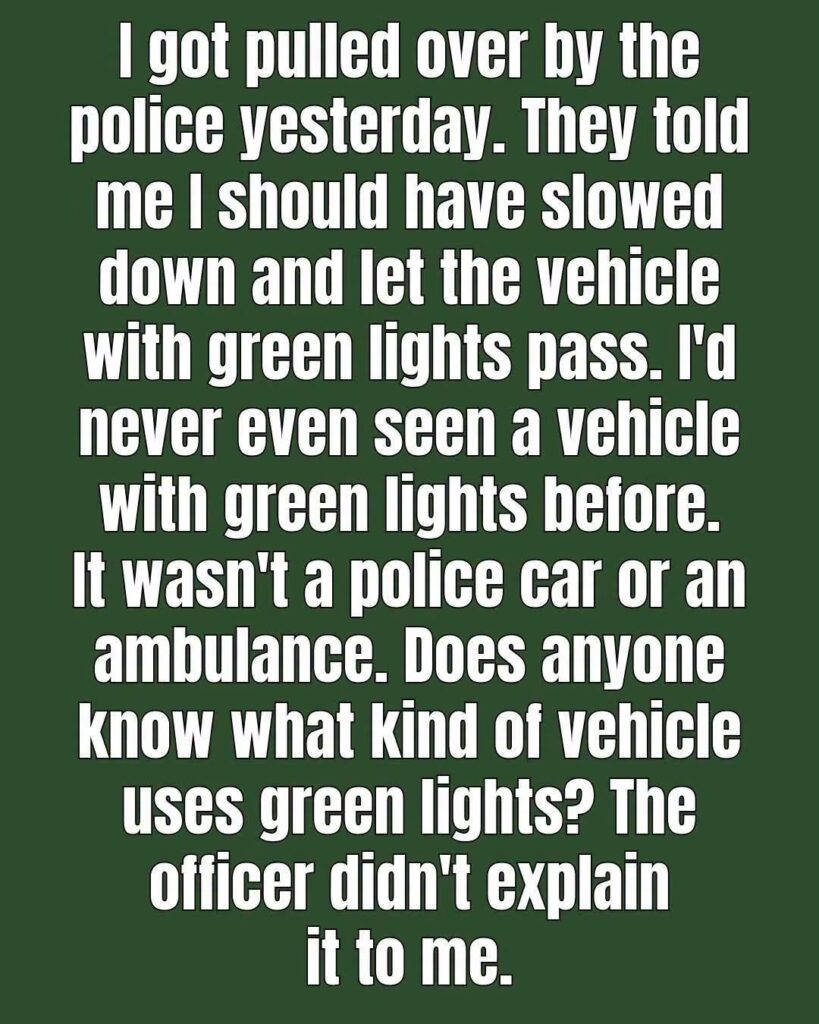
What Do Green Emergency Vehicle Lights Mean? A Guide for Drivers
While most drivers are familiar with flashing red and blue emergency lights, many are surprised to encounter a vehicle displaying green flashing lights. Seeing green lights on the road can be confusing, especially since they are less common and their meaning varies by country, state, or province. If you’re ever unsure how to react, it’s important to understand what these lights typically represent and how to respond safely.
This guide explains the most common uses of green emergency lights and outlines the proper steps drivers should follow when they encounter one.
What Are Green Emergency Lights?
Green emergency lights are generally used to identify specific types of emergency personnel or volunteer responders rather than traditional police, fire, or ambulance services. Unlike red or blue lights, green lights usually do not automatically grant the driver the right-of-way in every jurisdiction.
The exact meaning depends on local laws.
Common Vehicles That Use Green Lights
Volunteer Firefighters
In many regions, volunteer firefighters install green flashing lights on their personal vehicles.
These lights signal that the driver is responding to an emergency call and is traveling to the fire station or directly to an incident.
However, in many places, they are requesting courtesy rather than demanding it. Drivers are encouraged to allow them to pass when it is safe to do so.
Emergency Medical Volunteers
Some volunteer emergency medical responders or rescue personnel also use green lights while responding to emergencies.
Again, the purpose is to alert other motorists that the vehicle is responding to an urgent situation.
Incident Command Vehicles
In some jurisdictions, green lights identify command vehicles that coordinate emergency scenes rather than provide direct medical or firefighting services.
Please Head On keep on Reading (>)









No Responses Yet